Roofers in Wakefield
Wakefield is about 10 miles from my base in Leeds. Many of its homes are semis and bungalows from the decades after the war, around a red-brick centre and the Georgian streets of St John's. They need different things from a roofer, and I'll tell you honestly what yours needs.
I reply to every enquiry within 1 hour, 7am–7pm.
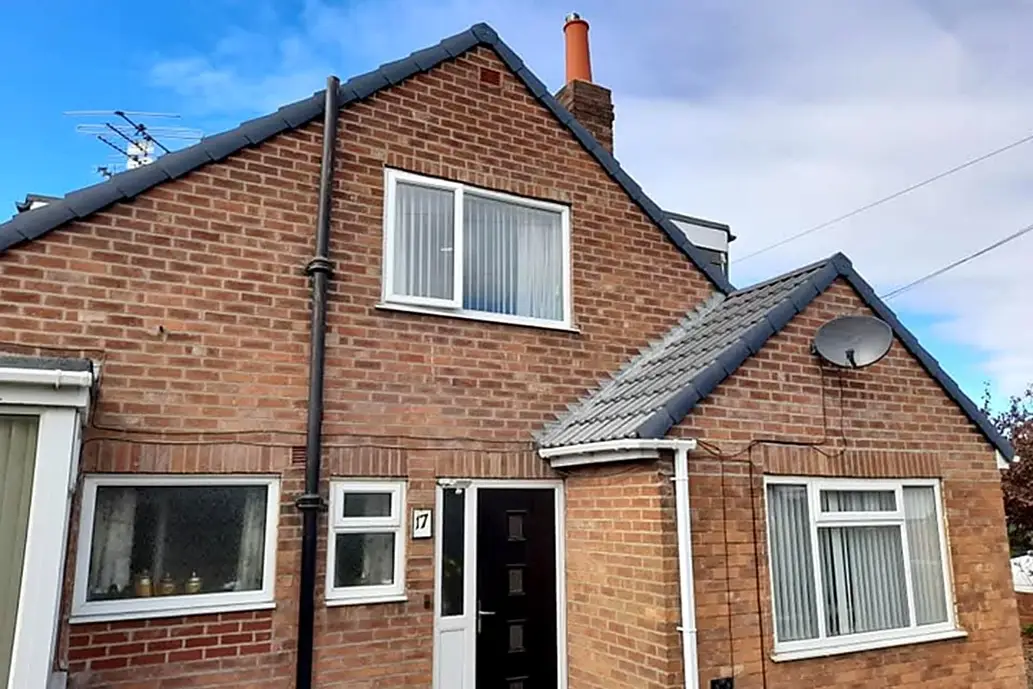
Post-war semis and bungalows
Across the Wakefield district, nearly four in ten homes were built between 1945 and 1982, and more than a third are semi-detached, against under a quarter across England. Bungalows are more common than average too, and the biggest single building period in the official figures is 1955 to 1964.
In Sandal, more than half the homes are detached, and most were built between 1955 and 1982. Around Kettlethorpe and Chapelthorpe, half date from 1945 to 1964. The Eastmoor estate went up in stages from 1930 until the 1980s, with mostly flats in the 1970s, and some of its 1950s houses were built with a timber frame, a brick skin and corrugated sheet roofs.
The first council estates
Wakefield's first council houses were 64 homes on Elm Tree Street in Belle Vue, where the first tenants moved in in 1920. Lupset followed from 1924, with 2,000 houses by 1931, and more than half the homes around Lupset today date from between the wars. Eastmoor's first houses, in 1930, were built in brick with clay roof tiles.
The older city
The council's design code describes the city as mostly red brick with stone detailing, with Coal Measures sandstone kept for older and grander buildings. St John's was laid out in the 1790s as a new town, and the St John's North terrace dates from 1791 to 1796. Around Agbrigg and Belle Vue, nearly a third of homes were built before 1919, and many are terraced.
In the Westgate conservation areas, slate dominates, on low-pitched roofs with tall brick chimneys. Some older houses around Little Westgate were roofed in stone flags, and on South Parade the slate replaced an original stone slate roof. Around Sandal and Newmillerdam, older roofs are stone flag or Welsh and Westmorland slate. Pantiles are rare until you head east towards Knottingley.
What that means for your roof
- Post-war roofs reaching the end. A roof from 1945 to 1982 is now roughly 45 to 80 years old. Where it's still the original, perished underlay, rotten battens and slipping tiles are the signs repairs are running out.
- Matching older tiles. On houses like Eastmoor's first, from 1930, repairs mean matching clay tiles that may be nearly a century old.
- Old sheeting. Corrugated sheet roofs of the 1950s can contain asbestos, so they need testing before anyone works on them.
- Slate, stone and tall chimneys in the older streets. The council wants like-for-like repairs here, and tall brick stacks need repointing and new lead from time to time.
- Ground movement. The council's local plan describes an extensive shallow coalfield under most of the district. If a roof line or chimney is moving, it's worth asking whether the ground is the cause, and the government publishes guidance for home improvements in former coal mining areas.
The services that matter most here
For the houses Wakefield has, these are the three most likely to matter:
- Re-roofs: for post-war semis and bungalows where the original roof has had its day.
- Roof repairs: slipped and broken tiles and slates, matched to what's already on the roof.
- Chimney repairs: repointing, flaunching and leadwork on the city's tall brick stacks.
For the slate roofs in the older streets, see slate roofing.
Conservation areas
There are 31 conservation areas across the Wakefield district. In the city they include the Cathedral area, Upper and Lower Westgate, St John's, South Parade, Wentworth Terrace, Wood Street, Wakefield Waterfront and Sandal Castle. The council's appraisals ask for roofing materials, chimneys, ridges and eaves to be kept and repaired like for like, and in Lower Westgate they describe stone houses diminished by modern concrete pantiles and plastic gutters.
In St John's, an Article 4 direction from 1968 means gutters and downpipes have to be black. The district also has over 700 listed buildings. If your house is listed or in a conservation area, check with Wakefield Council before changing the roof.
Covering Wakefield from Leeds
Wakefield is about 10 miles from Leeds city centre, down the M1 or the A61. I cover it the same way as anywhere else. I reply to every enquiry within 1 hour, 7am–7pm. I come out, look at the roof properly and explain what I've found, and you get a free written quote with the price fixed before any work starts.
I also cover the towns around Wakefield, including Normanton, Featherstone, Castleford and Pontefract. See all the areas I cover.
Wakefield roofing questions
I'm in St John's. Can I fit white uPVC gutters?
Not in white. Under an Article 4 direction from 1968, gutters and downpipes in St John's have to be black, and any other colour needs planning permission. The council's appraisals also prefer traditional materials to plastic on historic houses, so check with Wakefield Council before changing them.
Can my slate roof on Westgate be redone in concrete tiles?
The council's appraisals for the Westgate conservation areas ask for slate roofs to be kept and repaired like for like, and criticise stone houses re-roofed in concrete pantiles, so check with the council first. Outside a conservation area it's possible, but concrete tiles are heavier, so the roof timbers need checking.
Is my 1950s Eastmoor house non-traditional construction?
Some are. Some of the estate's 1950s houses were built with a timber frame, a brick skin and corrugated sheet roofs. It's worth knowing how your house is built before roof work is planned, and old sheeting needs testing for asbestos before it's disturbed.
My 1930s council-built house has clay roof tiles. Can a repair match them?
Usually. Eastmoor's first houses, from 1930, were built with clay tiles, and matching tiles can often be found, sometimes from the roof itself. If the whole roof is failing, a re-roof is the other option, and I'll tell you which makes sense.
Free written quote, fixed price agreed before any work starts.
Tell me what's going on with your roof. I'll come out, look at it properly and put the price in writing.
I reply to every enquiry within 1 hour, 7am–7pm.